TL;DR: Somerset County, NJ is a USDA zone 6b–7a pocket with heavy clay–silt soils, cold snaps in winter, muggy summers, and a serious deer problem. The trees that really last here are tough, non-invasive species that match your exact site conditions. If you lean on NJ native trees, you’ll usually get better survival, fewer headaches, and much better support for local birds and pollinators.
Key Takeaways
- Somerset County’s climate (USDA 6b–7a), clay–silt soils, and relentless deer browsing heavily limit which trees will actually thrive for decades, not just survive a few seasons.
- Top shade trees for this area include Red Oak, Sugar Maple, Tulip Poplar, and American Beech, plus urban-tough London Plane. Each has different space, soil, and maintenance requirements you need to respect.
- Using NJ native trees like Eastern Redbud, American Holly, Serviceberry, Black Gum, and White Pine usually means better adaptation to local weather and far higher wildlife value.
- For tight suburban lots, stick to compact choices such as Japanese Maple, Flowering and Kousa Dogwood, Eastern Redbud, and American Hornbeam so you’re not fighting roots and overhangs in 15 years.
- Avoid known problem trees like Norway Maple, Tree of Heaven, Bradford Pear, Silver Maple, and most Ash species. They’re on the bad list for good reasons: invasiveness, pests, or weak wood.
- Always match the tree to your goal — shade, privacy, flowers, or wildlife habitat — and to your site: mature size, root behavior, drainage, deer pressure, and overhead wires all matter.
- Correct planting depth (root flare right at or slightly above soil level) and dedicated care during the first 2–3 years make or break new trees in Central NJ.
- For challenging sites, utility conflicts, or big-caliper trees, it often pays to bring in a professional tree planting crew that already knows Somerset County soils and quirks.
What Is the Best Type of Tree for Somerset County, NJ?
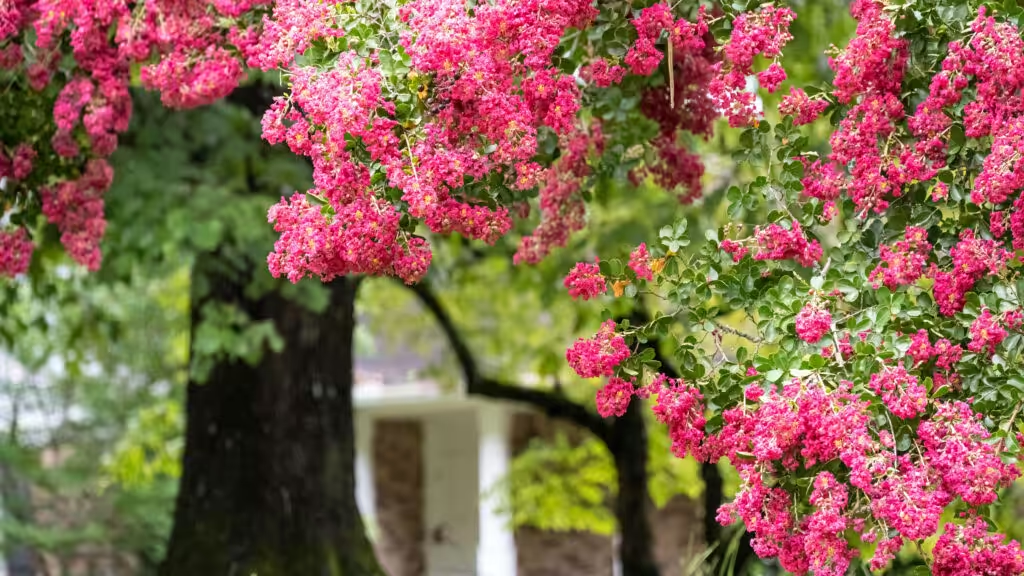
The best tree for a Somerset County yard is a non-invasive, site-appropriate species that fits your space and your goals, and can handle USDA zone 6b–7a, clay–silt soils, deer browsing, and Central NJ’s humid summers. For most homeowners, NJ native trees are the safest bet long-term, especially if you care about healthy songbird and pollinator populations.
Somerset County Growing Conditions (Zone 6b–7a)
Somerset County looks pretty mild on paper, but the details matter. You get real winter cold, sticky heat waves, and soils that stay wet longer than you expect. Add high deer numbers and suburban stress, and some otherwise “good” trees fail here over and over. Before you spend money on a tree, get a handle on what the site is offering — and what it’s going to fight you on.
Climate and USDA Hardiness Zone
- USDA hardiness zone: 6b–7a
- Average winter lows: around 0 to -5°F in harsher cold spells
- Annual rainfall: usually 45+ inches, spread through the year with the occasional downpour
- Frost-free days: roughly late April through mid–October (about 170–190 days)
Anything you plant outdoors has to be hardy to at least Zone 6b. If the tag says Zone 8 or 9 only, that tree’s meant for a warmer world than Somerset County. In a rough winter, it’ll die back or fail quietly over a few years.
Somerset County Soil Type
Most neighborhoods in Somerset sit on clay–silt soils that don’t drain quite as nicely as the catalogs pretend. On top of that, building contractors love to compact everything with heavy equipment:
- Clay hangs onto nutrients, which is great, but it also holds water and gets sticky and airless when compacted.
- Silt boosts fertility, yet it can form a crust on top that sheds water and chokes off oxygen to roots.
- Fill and grading around new homes often pack the top foot of soil, which is exactly where most tree roots want to live.
Trees that tolerate clay and periodic wetness do much better in Somerset County. You can improve your odds by roughing up compacted soil, widening the planting hole, and avoiding over-amending just the hole. Trees hate being stuck in a “pot” of fluffy soil inside a hard clay bowl.
Deer Pressure and Urban Stress
- Deer pressure: heavy through much of the county, especially along woods, preserved land, stream corridors, and golf courses.
- Urban/suburban stressors: road salt, hot reflective surfaces, undersized tree lawns, lawnmower damage, and years of soil disturbance.
That combination means you can’t just pick your favorite ornamental and hope for the best. Deer resistance becomes a deciding factor, especially for small or ornamental trees. Near streets and driveways, you also want salt tolerance and a reasonably non-invasive root system so you’re not ripping up pavement in 10 years. Somerset County growing conditions summary (EAV):
| Attribute | Typical Value |
|---|---|
| USDA zone | 6b–7a |
| Average low temperature | 0 to -5°F |
| Annual rainfall | 45+ inches |
| Soil type | Clay–silt, often compacted |
| Deer pressure | Heavy |
| Frost-free days | ~170–190 |
Best Shade Trees for Somerset County Properties
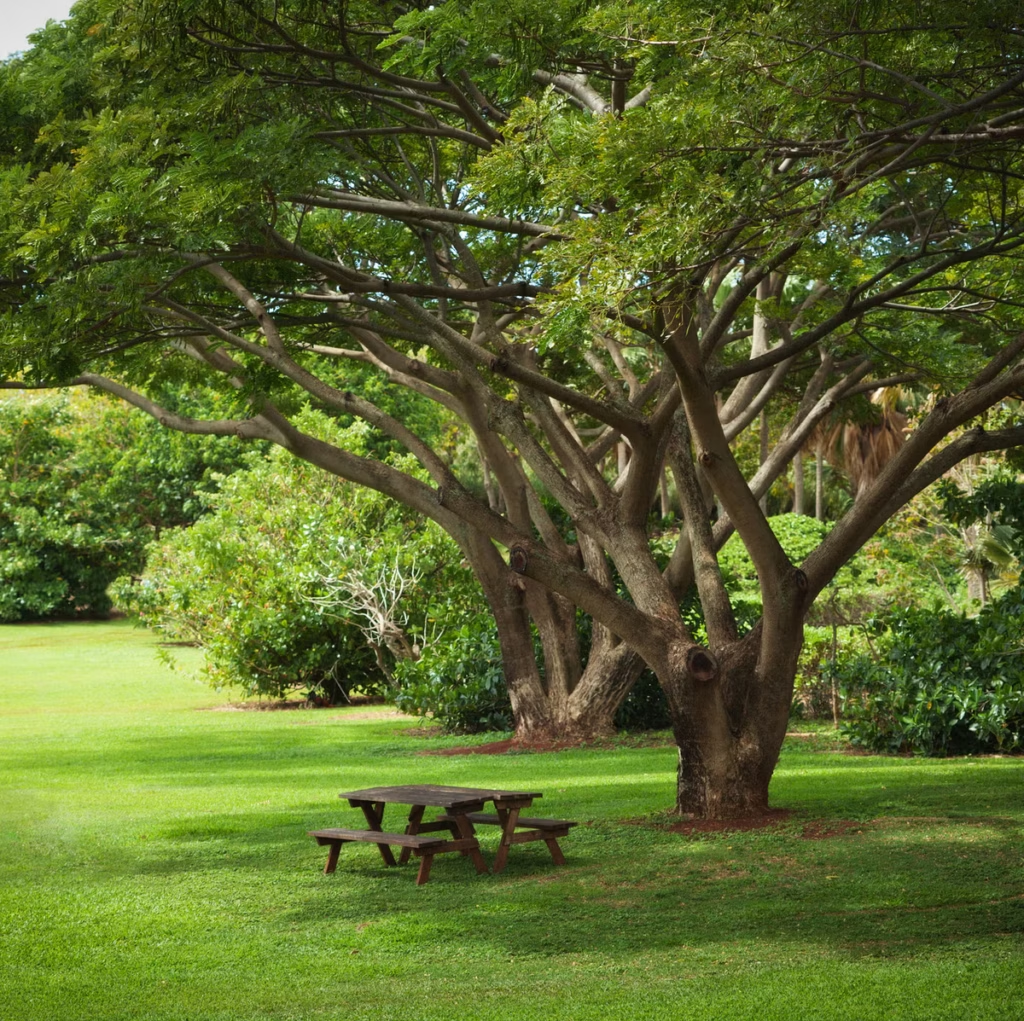
Good shade trees are like long-term infrastructure. You’re picking something that can outlive you, hold up to Nor’easters, tolerate your soil, and still look decent 40 years down the line. In Somerset County, that short list usually includes Red Oak, Sugar Maple, Tulip Poplar, American Beech, and in tougher urban spots, London Plane.
These trees all handle our clay-leaning soils and summer humidity reasonably well, as long as you match them to the right space and give them room to grow.
Red Oak (Quercus rubra)
Red Oak is probably the best all-around shade tree for a typical Central NJ yard. You see them thriving in older neighborhoods for a reason.
- Mature height: 60–75 feet
- Canopy spread: 45–60 feet
- Growth rate: moderate to fast, often 1.5–2 feet per year in decent soil
- Hardiness zone: 4–8, very safe for 6b–7a
- Fall color: strong red to red-orange in good years
- Deer resistance: moderate, but young saplings can still get chewed
Red Oaks handle Somerset’s clay–silt mix better than many other large shade trees, as long as the spot isn’t a swamp. They like full sun and space. Stuff them in a tiny postage stamp strip, and you’ll be pruning and worrying forever. New Jersey–specific tips:
- Make sure you can clearly see the root flare at planting and keep it at or slightly above grade. Too deep in heavy soil is how you kill a good oak.
- Use 2–3 inches of mulch out to the dripline if you can, but never pile mulch against the trunk. Those “mulch volcanoes” shorten tree lives.
- Expect acorns. They feed squirrels, deer, and birds, but they’re not ideal over driveways, patios, or pool decks.
Red Oak (Somerset County) EAV snapshot:
| Attribute | Value |
|---|---|
| Mature height | 60–75 ft |
| Canopy spread | 45–60 ft |
| Growth rate | ~1.5–2 ft/year |
| Hardiness zone | 4–8 |
| Fall color | Red |
| Deer resistance | Moderate |
Sugar Maple (Acer saccharum)
Sugar Maple is the classic postcard tree for fall color in NJ, but it’s pickier than most homeowners realize. In the right spot it’s fantastic. In the wrong spot it slowly declines.
- Mature height: 60–75 feet
- Canopy spread: 40–50 feet
- Growth rate: slow to moderate
- Soil preference: deep, well-drained, slightly acidic soil, low compaction
- Fall color: bright orange, yellow, and red, some of the best fall color NJ has
- Salt tolerance: low, struggles near salted roads and driveways
In Somerset County, these shine on older lots with decent topsoil and no heavy road salt. They don’t want to be crammed between the street and sidewalk or buried under fill from new construction. New Jersey–specific tips:
- Keep Sugar Maples away from busy, salted roads and lower driveway aprons where meltwater collects.
- Protect the critical root zone during any future construction. Trenching and compaction within the dripline is how you ruin a perfectly good maple.
- If the site has questionable drainage or lots of lime from masonry, get a soil test from Rutgers Cooperative Extension before pulling the trigger.
Tulip Poplar (Liriodendron tulipifera)
Tulip Poplar, or Tuliptree, is the “I need shade fast” choice that still has decent structure if it’s pruned right while young.
- Mature height: 70–90+ feet
- Canopy spread: 35–50 feet
- Growth rate: fast, often 2+ feet per year early on
- Hardiness zone: 4–9
- Flowers: tulip-shaped yellow-green blooms in late spring, subtle from a distance
These trees like deeper, moist, well-drained soils and aren’t thrilled with constantly compacted urban strips. They’ll survive in average Somerset yards though, if you water through the first couple summers. Placement cautions:
- They get tall. Keep them well clear of power lines, chimneys, and the house. Don’t tuck one into a 15-foot-wide side yard.
- Leaves, twigs, and flowers can be messy, so keep them back from pools, tight patios, and roofs with poor gutter access.
American Beech (Fagus grandifolia)
American Beech is a stately NJ native and one of the best-looking shade trees you can grow if you have the space and patience. You get smooth gray bark, strong structure, and good fall color.
- Mature height: 50–70 feet
- Canopy spread: 40–60 feet
- Growth rate: slow
- Soil preference: moist, well-drained soils, reasonably tolerant of light shade
Beeches dislike abuse. Pack the soil, park cars on the root zone, or cut roots for utility lines, and they let you know. They’re best for larger, established properties where you can leave the soil alone. New Jersey–specific tips:
- Mark off the root zone and keep heavy equipment and constant traffic out of it. Compacted soil and beech roots don’t mix.
- Deer love tender beech seedlings. Fence or cage young trees until they’re tall enough that new growth is out of reach.
London Plane (Platanus × acerifolia)
London Plane doesn’t have the native wildlife value of an oak, but if you need an urban-tough shade tree that survives abuse, it belongs on the shortlist.
- Mature height: 60–80 feet
- Canopy spread: 50–70 feet
- Tolerances: air pollution, compacted soils, some road salt, urban heat
In downtowns, commercial sites, or parking lot islands in Somerset County, London Plane often outperforms Sugar Maple and many other “prettier” trees. Just pick disease-resistant cultivars that local nurseries and Rutgers recommend to avoid anthracnose issues.
Best Native Trees for Central NJ Landscapes
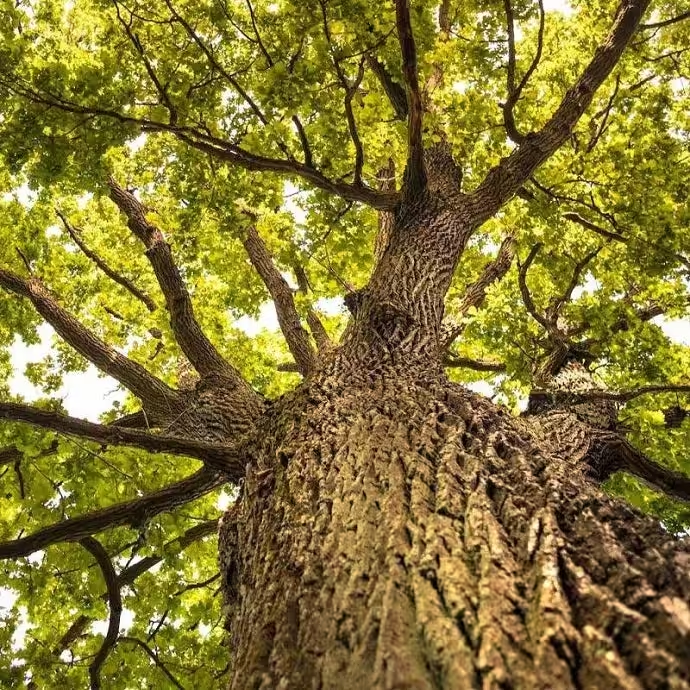
Native trees are where you get the most “bang for your buck” in Central NJ. They’re already tuned to our winters, summers, insects, and fungi. They feed native caterpillars, which in turn feed songbirds, and they usually need less pampering over the long haul.
The NJ DEP native plant list and Rutgers Cooperative Extension both strongly encourage using NJ native trees in residential landscapes. You don’t have to go 100% native, but making most of your backbone trees native is a smart way to stack the odds in your favor.
Eastern Redbud (Cercis canadensis)
- Mature height: 20–30 feet
- Spread: 25–35 feet
- Flowers: bright pink to magenta in April before leaves
- Deer resistance: low to moderate, often nibbled when young
- Soil: handles clay–silt as long as drainage is decent and not constantly soggy
- Wildlife: early nectar source for pollinators, seeds and cover for birds
Eastern Redbud is one of the best choices for an ornamental flowering tree NJ homeowners can plant if they want native, compact, and showy. In practice, the weak link here is deer. In high-pressure areas, wire cages around young trees are almost mandatory.
American Holly (Ilex opaca)
- Mature height: 15–30 feet, sometimes taller in ideal conditions
- Spread: 15–20 feet
- Evergreen: yes, dense year-round foliage
- Deer resistance: high
- Wildlife: berries for winter birds, thick cover for nesting and shelter
American Holly is one of the go-to deer-resistant trees in NJ. It works for privacy, foundation plantings, and windbreaks, and it brings in birds all winter. It likes slightly acidic, well-drained soils but usually tolerates typical Central NJ yard conditions if not waterlogged.
Serviceberry (Amelanchier spp.)
- Mature height: 15–25 feet, often grown multi-stem
- Flowers: white, early spring
- Fruit: sweet, edible berries in early summer, heavily used by birds
- Deer resistance: low to moderate
Serviceberry gives you a lot in a small package: early flowers, summer fruit, nice fall color, and bark with character. It can handle Somerset’s clay–silt soils if they’re not constantly saturated. Birds usually strip the berries before you get many, which is either a feature or a bug, depending on your priorities.
Black Gum / Tupelo (Nyssa sylvatica)
- Mature height: 30–50 feet
- Spread: 20–30 feet
- Fall color: incredible scarlet to orange-red
- Deer resistance: high
- Soil: tolerates periodic wetness and clay once established
- Wildlife: berries for birds and pollinators, good nesting habitat
Black Gum is one of the most under-planted deer-resistant trees NJ has to offer. It starts a bit slow but becomes an extremely durable shade or accent tree. It’s comfortable in many Somerset sites, including spots that stay moist after rain.
White Pine (Pinus strobus)
- Mature height: 50–80 feet
- Spread: 20–40 feet
- Evergreen: yes, soft flexible needles
- Deer resistance: moderate, tips can be browsed when young
- Soil: prefers well-drained, slightly acidic soils but adapts to many NJ sites
White Pine grows fast, and its soft texture gives a different look from spruces and arborvitae. It’s excellent for winter screening and as a backdrop for smaller ornamentals. In Somerset County, protect young trees from deer and avoid extreme windblown hilltops, where they can suffer winter burn.
Atlantic White Cedar (Chamaecyparis thyoides)
- Mature height: 30–50 feet
- Spread: 10–20 feet
- Habitat: naturally found in NJ coastal and boggy areas
- Soil: prefers consistently moist, acidic soils
Atlantic White Cedar is a true native, but it’s picky. It does well along detention basins, natural swales, or wet, acidic pockets. Plant it on dry, compacted fill and it will struggle. Use it where the site mimics its natural swampy habitat. Deer-resistant trees NJ (EAV snapshot):
| Tree | Deer Resistance |
|---|---|
| American Holly | High |
| Black Gum | High |
| Sweetgum (Liquidambar styraciflua) | High |
| Eastern Red Cedar (Juniperus virginiana) | High |
| River Birch (Betula nigra) | Moderate |
Best Small Trees for NJ Yards and Tight Lots
Small lots are where people most often get themselves into trouble. They plant a “cute little tree” that turns into a 60-foot monster sitting 6 feet off the foundation. To avoid that, you want trees that stay under 25–30 feet and don’t push up sidewalks or tangle hard into overhead lines.
For Somerset County townhomes, cul-de-sac lots, and tight side yards, Japanese Maple, Flowering Dogwood, Eastern Redbud, American Hornbeam, and Kousa Dogwood are all solid options if you respect their preferences.
Japanese Maple (Acer palmatum & cultivars)
- Mature height: 8–20 feet depending on cultivar and pruning
- Spread: 10–20 feet
- Sun: part shade is best in Central NJ, especially avoiding harsh afternoon sun
- Deer resistance: low to moderate
Japanese Maples bring delicate texture and strong color, especially the red and variegated forms. They don’t like baking winds, hot west-facing walls, or long dry stretches. Tuck them near patios, entries, or protected corners, ideally with morning sun and dappled afternoon shade.
Flowering Dogwood (Cornus florida) – NJ Native
- Mature height: 15–25 feet
- Spread: 20–30 feet
- Flowers: white or pink in mid-spring
- Fall color: red to burgundy foliage, plus red berries
- Deer resistance: low to moderate
This is the classic native ornamental flowering tree NJ homeowners think of first. It’s gorgeous when sited properly, but it likes slightly acidic, well-drained soil and some protection from afternoon scorch in open, hot yards. It also benefits from good air circulation to reduce disease pressure.
Eastern Redbud (revisited for small yards)
As a small tree for NJ yards, Eastern Redbud checks a lot of boxes. It tops out around 20–30 feet, fits nicely between neighbors, and gives that dramatic early spring bloom you can see from inside the house. Just respect its need for deer protection early on and decent drainage.
American Hornbeam (Carpinus caroliniana)
- Mature height: 20–35 feet
- Spread: 20–30 feet
- Shade tolerance: high
- Deer resistance: moderate
American Hornbeam, also known as Ironwood or Musclewood, is quietly tough. It handles shade, clay soils, and seasonal wetness better than most small ornamentals. It’s a smart choice along woodland edges, near drainage swales, or any spot where you need a smaller native that won’t quit.
Kousa Dogwood (Cornus kousa)
- Mature height: 15–25 feet
- Spread: 15–25 feet
- Flowers: white bracts in late spring, usually after native Dogwood
- Deer resistance: moderate
Kousa Dogwood isn’t native, but it’s generally non-invasive and often more disease-resistant than Flowering Dogwood. It also handles a range of Somerset soils and offers great bark and interesting fruit that birds will work on in late summer and fall. When choosing small trees, also think about:
- How close they’ll sit to house foundations, patios, and walkways. Roots need space, and canopies need room to spread without constant hacking back.
- Whether you want light shade for a sitting area, or mainly flowers and fall color.
- Your long-term pruning for established trees plan so branches clear sidewalks, roofs, and driveways. For structural work and timing, see our page on pruning for established trees.
Trees to Avoid Planting in Somerset County
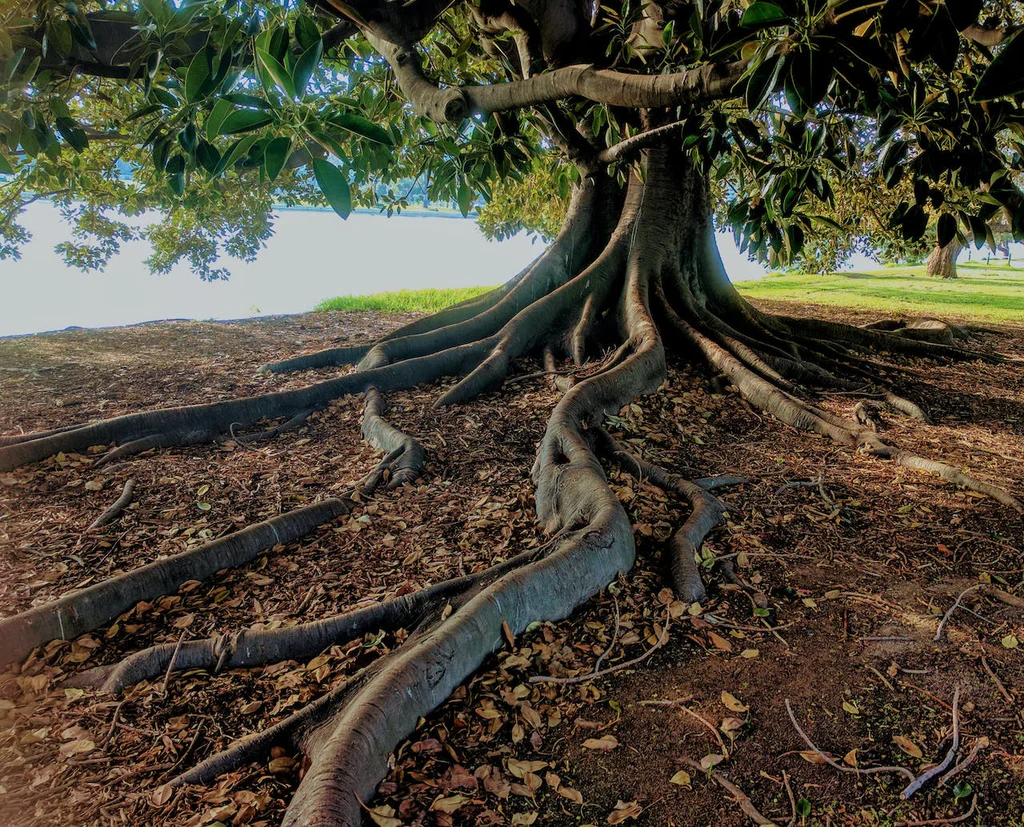
There are trees I see in yards that pretty much guarantee a headache later. Some are officially on the NJ invasive species list, others are known for splitting apart or attracting serious pests. If you’re planting new, skip these entirely. If you already have them, start thinking about a replacement plan.
Norway Maple (Acer platanoides)
- Status: listed as invasive in New Jersey
- Problems: seeds spread aggressively and the dense shade shuts down native understory plants
- Additional issues: shallow roots, so-so fall color, and higher storm damage risk
Norway Maple crowds out native maples and oaks and dominates older neighborhoods where it was planted heavily decades ago. New plantings are a bad idea. If you’re removing one, replace it with Red Oak, Sugar Maple in a suitable spot, or other natives suggested by Rutgers Cooperative Extension.
Tree of Heaven (Ailanthus altissima)
- Status: highly invasive in NJ
- Key issue: primary host for spotted lanternfly
- Growth: extremely fast, spreads by both seeds and suckering roots
Tree of Heaven is trouble on multiple fronts. It colonizes disturbed soil, cracks in pavement, and fence lines, then helps sustain spotted lanternfly populations. If you have it on your property, you’re better off working on a removal and control plan and replanting after stump removal with natives. For more detail, see our tree of heaven on avoid list resource.
Bradford Pear / Callery Pear (Pyrus calleryana)
- Status: invasive in NJ, now spreading into fields and road edges
- Problems: notoriously weak, co-dominant branch structure that splits in storms
- Other issues: foul-smelling flowers and dense thickets from escaped seedlings
Bradford Pear used to be the darling of developers and municipalities. Now you see them torn apart after wet snow or wind, or popping up wild. Many states are restricting or banning it. In NJ, homeowners should treat it as a phase-out tree and replace it with native flowering options over time.
Silver Maple (Acer saccharinum)
- Status: not on the invasive list, but still a poor residential choice
- Problems: aggressive surface roots and frequent limb breakage
- Site impact: roots can infiltrate older sewer lines and lift sidewalks or driveways
Silver Maple gives you quick shade, but you pay for it later in root issues and storm cleanup. On tight Somerset County lots, it usually causes more damage than it’s worth.
Ash Species (Fraxinus spp.)
- Issue: extremely vulnerable to emerald ash borer (EAB)
- Status: EAB is widespread in New Jersey and affecting most untreated Ash
At this point, planting a new Ash in NJ without a strict treatment plan is like buying a car you know has a major recall and ignoring it. Existing Ash can sometimes be saved with ongoing professional treatment, but new plantings are usually discouraged. If yours are declining, look into ash replacement species and consider professional tree removal for problem species when risk becomes too high.
NJ invasive tree species EAV snapshot:
| Tree | Issue | Removal Recommended? | Suggested Native Replacement |
|---|---|---|---|
| Norway Maple | On NJ invasive list | Yes (case-by-case) | Red Oak, Sugar Maple (site-suitable), Black Gum |
| Tree of Heaven | Spotted lanternfly host, invasive | Yes | Black Walnut, Black Locust (site-appropriate), native shade trees |
| Bradford/Callery Pear | Invasive, weak structure | Yes (phase out) | Serviceberry, Flowering Dogwood, Redbud |
| Silver Maple | Aggressive roots, breakage | Often advised | River Birch, Red Maple, London Plane (urban sites) |
| Ash species | Emerald ash borer | Often (if untreated) | Oak species, Hackberry, Kentucky Coffeetree |
How to Choose the Right Tree for Your NJ Property
Tree selection is like spec’ing out a build. You start with the job you want it to do, then you match that to what the site can support. If you skip either step, you end up fighting nature instead of working with it. Use this framework to narrow down the best trees for a NJ yard under Somerset County conditions.
1. Clarify Your Primary Goal
Ask yourself what problem you’re trying to solve first. That steers every decision after it:
- Shade: reducing summer heat on patios, lawns, or south/west-facing windows.
- Privacy: blocking neighboring windows, decks, or busy roads — sometimes year-round.
- Ornamental value: big spring flowers, bold fall color, or interesting bark and structure.
- Wildlife habitat: acorns, berries, and dense cover for birds and pollinators.
- Low maintenance: fewer cleanup chores, less pruning, and more resilience to stress.
For example, if your priority is best trees for a NJ yard that cool the house, you want broad-canopy shade trees like Red Oak or Black Gum on the sunny sides, not a row of narrow ornamentals with tiny crowns.
2. Evaluate Your Site Conditions
Spend 10–15 minutes really walking the property. Don’t guess. Look at:
- Sun exposure: full sun (6+ hours), part shade, or mostly shade through the growing season.
- Soil drainage: notice whether water sits after storms, or if the spot bakes dry and cracks in summer.
- Space: distance to the house, driveway, property line, and neighboring trees.
- Overhead utilities: any power or cable lines hanging above or nearby.
- Deer activity: chewed shrubs, hoof prints, trails, or a “browse line” on existing vegetation.
This tells you whether you should be thinking in terms of large shade trees, smaller ornamental flowering tree NJ choices, or narrow upright forms that play nicely under wires.
3. Match Species Traits to Your Site
Now line up your site conditions with what each tree actually wants:
- Clay-silt soil adaptation: For heavier soils, lean toward Black Gum, Red Oak, River Birch, or American Hornbeam instead of trees that insist on perfect sandy loam.
- Drought tolerance NJ: On hotter, drier spots, look at oaks and some pines rather than water lovers like Atlantic White Cedar.
- Salt tolerance: Near salted streets or steep driveways, skip Sugar Maple and more tender ornamentals. Consider London Plane, some oaks, or tougher species that shrug off winter road spray.
- Deer resistance NJ: If you see heavy deer sign, favor American Holly, Eastern Red Cedar, Black Gum, Sweetgum, or other higher-resistance species, or budget for serious deer protection.
4. Plan for Mature Size and Root System
Planting a shade tree is like parking a truck you’ll never move. Imagine where the canopy and root system will be in 20–40 years, not just what you see in the nursery lot:
- Keep big shade trees at least 20 feet off the house and 10 feet off driveways and sidewalks.
- Use smaller trees like Dogwoods and Redbuds under or near utilities. Don’t fight power-line pruning crews for decades.
- Avoid aggressive rooters like Silver Maple and large Willows anywhere near sewer lines, septic fields, and sidewalks. You want trees with relatively non-invasive root systems close to infrastructure.
5. Consider Maintenance and Risk
Every tree needs some care, but some need a lot more than others. Be honest about how much pruning and cleanup you’re willing to take on.
- Ornamental trees often need periodic pruning for established trees to keep structure tight and clear walkways.
- Large shade trees benefit from structural pruning in their first 5–15 years so they age with strong, single leaders instead of weak forks.
- Trees with messy fruit or heavy seed crops may not belong above cars, patios, roofs, or pool decks.
If you’re planting a big-caliper tree or you’re working in a tough spot like a compacted front strip, calling in professional tree planting help can save you years of problems.
6. Planting Technique for Central NJ (Key Points)
Even the perfect tree will fail if it’s planted too deep or drowned in a tight clay bowl. In Somerset County soils, technique matters as much as species.
- Find the root flare before planting and set it right at or slightly above the finished soil grade.
- Dig wider, not deeper. Aim for a hole 2–3 times the root ball width, but no deeper than the actual root ball.
- Backfill mostly with native soil. Over-amending the hole alone creates a “bathtub” that holds water and can drown roots.
- Apply 2–3 inches of mulch, pulled back a few inches from the trunk so the bark can breathe.
- Water deeply and consistently through the first 2–3 growing seasons. That establishment period is where most failures happen from neglect.
In practice, correct depth, good backfill, and patient watering will often matter more than the difference between two similar species on a plant list.
Common Mistakes Somerset County Homeowners Make (and How to Avoid Them)
- Planting too deep: Burying the root flare in heavy clay chokes the tree and invites decay. Fix: Always uncover the flare in the nursery stock and plant it slightly high in compacted soils.
- Ignoring mature size: Planting a 70-foot shade tree 8 feet off the house or under power lines. Fix: Look up mature height and spread and stake out that footprint before you dig.
- Choosing invasive or problem species: Norway Maple, Tree of Heaven, Bradford Pear, or new Ash plantings. Fix: Cross-check your choice against the NJ invasive species list and Rutgers guidance.
- Underestimating deer: Putting in Redbud, Dogwood, or Japanese Maple with zero protection in a high-browse yard. Fix: Use deer-resistant species where you can, and fence or cage vulnerable young trees.
- Over-amending only the planting hole: Creating a fluffy pocket in the middle of dense clay that turns into a water-filled pit. Fix: Use mostly native soil, and work on overall site drainage and compaction instead of making a “perfect” hole.
- Poor location relative to utilities: Trees directly under wires or on top of septic and sewer lines. Fix: Call before you dig, map your lines, and choose species that match that space long-term.
- No plan for pruning: Letting co-dominant leaders and weak limbs develop until the tree is too big to fix cheaply. Fix: Schedule structural pruning in the first 5–10 years.
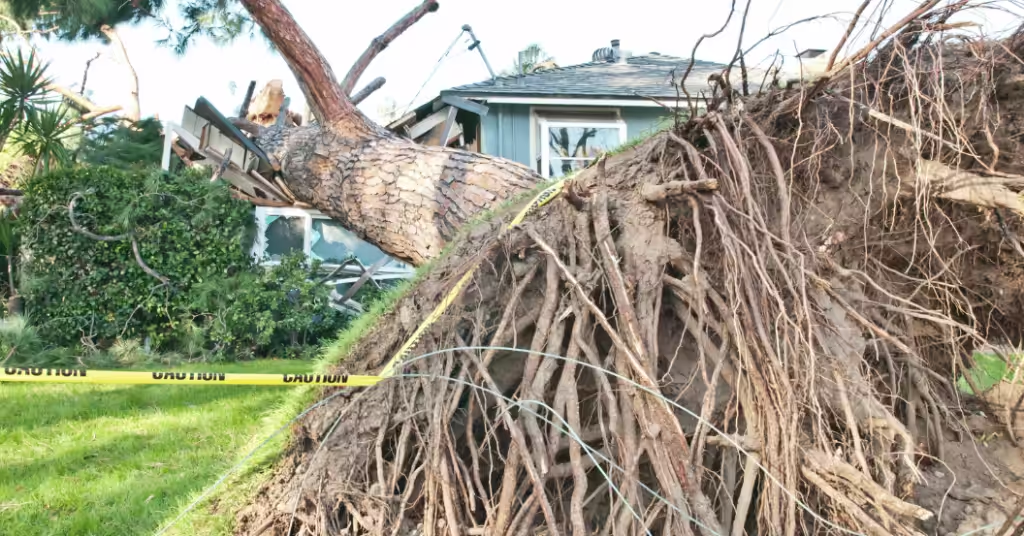
- Delaying removal of hazardous problem trees: Keeping failing Ash, Bradford Pear, or huge Silver Maples right over homes and driveways. Fix: Have a qualified pro inspect them and arrange tree removal for problem species before they fail in a storm.
FAQ: Tree Species for Somerset County, NJ
Here are the questions I get most often from Somerset County homeowners, with straight answers based on what actually works here.
What is the best tree for a small NJ lot in Somerset County?
For smaller lots, focus on trees that top out around 25–30 feet and won’t crush the house or wires later. Japanese Maple, Eastern Redbud, Flowering Dogwood, Kousa Dogwood, and American Hornbeam are all good options. Match the tree to your sun exposure, deer pressure, and whether you care more about flowers, fall color, or screening.
What is the fastest shade tree for Central NJ?
Tulip Poplar is one of the fastest shade trees around that still holds halfway decent structure, often putting on 2 or more feet a year when young. Some oaks, especially Red Oak, can grow at a good pace too if you give them a decent planting job and steady water for the first few years.
Which trees are most deer-resistant in Somerset County?
Nothing is truly “deer-proof,” but some trees are very low on the menu. In Somerset County, American Holly, Black Gum, Sweetgum, Eastern Red Cedar, and River Birch usually show good resistance. Even then, young trees of almost any species are safer with temporary fencing or cages until they size up.
What trees give the best fall color in Central NJ?
If you’re chasing standout fall color NJ is known for, look at Red Oak for rich reds, Sugar Maple for blazing orange-red, Black Gum for scarlet, Sweetgum for a mix of reds, oranges, and purples, and native Dogwoods for red to burgundy. Just remember, color also depends on soil, tree health, and the specific weather that year.
Where can I buy quality trees in the Somerset County area?
Stick with reputable local nurseries and garden centers that source for this region and clearly label NJ native species. Ask whether their trees are hardy for USDA zone 6b–7a and if they follow Rutgers recommendations on species selection. For bigger plantings, larger trees, or complicated sites, consider hiring professional tree planting from a local tree care company.
Are all Ash trees in NJ doomed because of emerald ash borer?
Most untreated Ash in New Jersey are in serious trouble from emerald ash borer. High-value trees can sometimes be preserved with regular systemic treatments, but that’s an ongoing commitment. For new plantings, it’s smarter to skip Ash and use Ash replacement species like oaks, Black Gum, and other natives. You can dig deeper into options in our EAB resource.
How long does it take a newly planted tree to establish in Somerset County?
In Central NJ, a typical container or balled-and-burlapped tree takes about 2–3 years to really establish. During that establishment period, consistent deep watering and sane mulching are critical, especially through summer dry spells and freeze–thaw cycles in winter.
Are there low maintenance trees for NJ yards that still support wildlife?
Yes. Several low maintenance trees in NJ also pull their weight for wildlife. Red Oak, Black Gum, Serviceberry, Eastern Red Cedar, and White Pine are all good examples. Once they’re established on the right site, most just need occasional inspection, some pruning, and the usual storm checks.
Final Summary and Next Steps
Somerset County’s mix of USDA 6b–7a winters, clay–silt soils, high deer numbers, and suburban stress means you can’t just plant anything the big-box store happens to stock. Thoughtful tree selection saves you money, prevents damage, and builds a healthier landscape over time.
If you lean on NJ native trees, avoid well-known problem pruning timing for each species, and match each tree’s mature size and tolerances to your specific site, you end up with a yard that delivers shade, curb appeal, and wildlife value for decades instead of a few frustrating years.
Whether you’re planning a single backyard tree or a full tree planting Somerville project across a larger property, start with a clear look at your site and goals, then work through the selection framework above. For large shade trees, tricky locations, or removal and replacement of invasive or hazardous trees, partner with a local tree care company that understands Central NJ conditions and works in line with Rutgers-backed best practices.